✦ Adjust rankings to your needs
Super-Automatic Espresso Machines

Best Super-Automatic Espresso Machines for Office Hero

Find durable, easy-to-clean super-automatic espresso machines for your office. We rank models on user-friendliness, maintenance, and reliability for shared use.
Max price: $9,999
⭐ Best Match
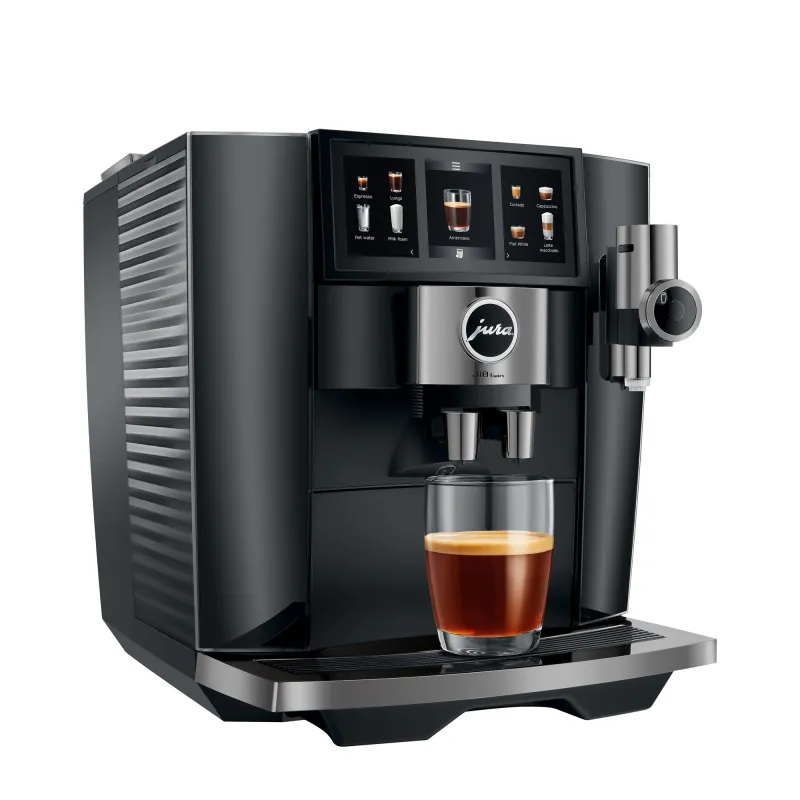
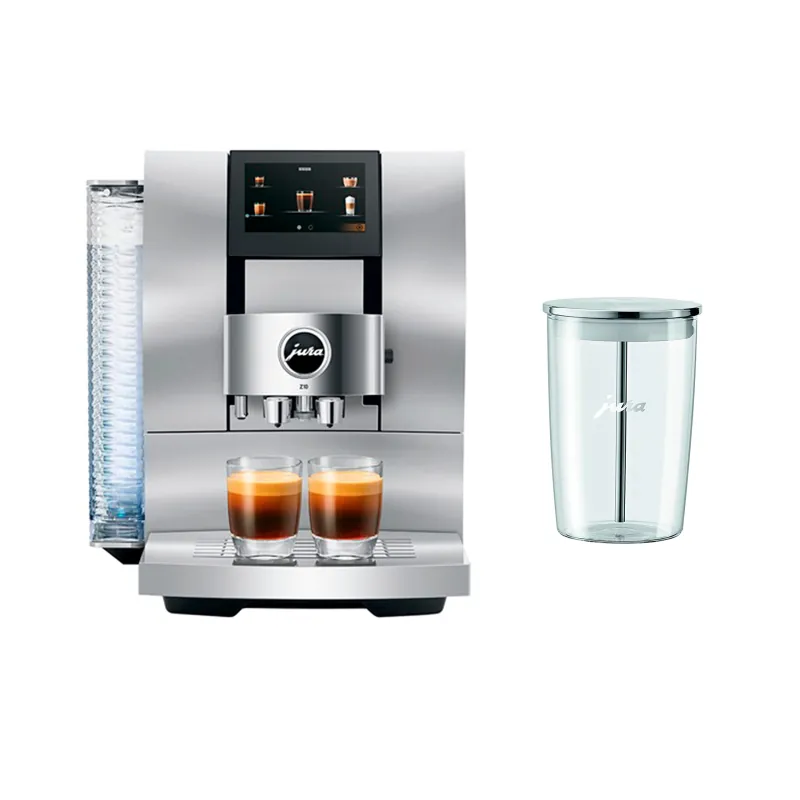
Jura Z10 Aluminum White

Jura

5.0

Jura Z10 Aluminum White

Personal Match Score 82%

Price Range

$ $ $
Check Current Price →
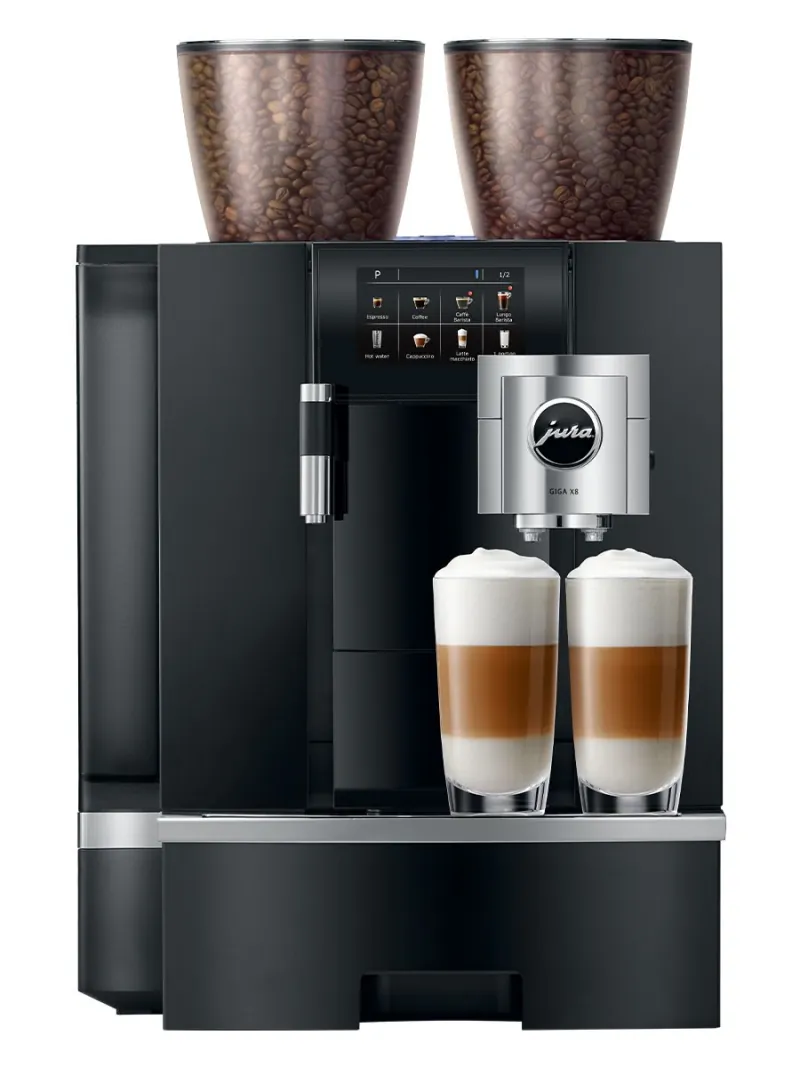
Jura GIGA X8 Professional

Jura

5.0

Jura GIGA X8 Professional

Personal Match Score 81%

Price Range

$ $ $
Check Current Price →
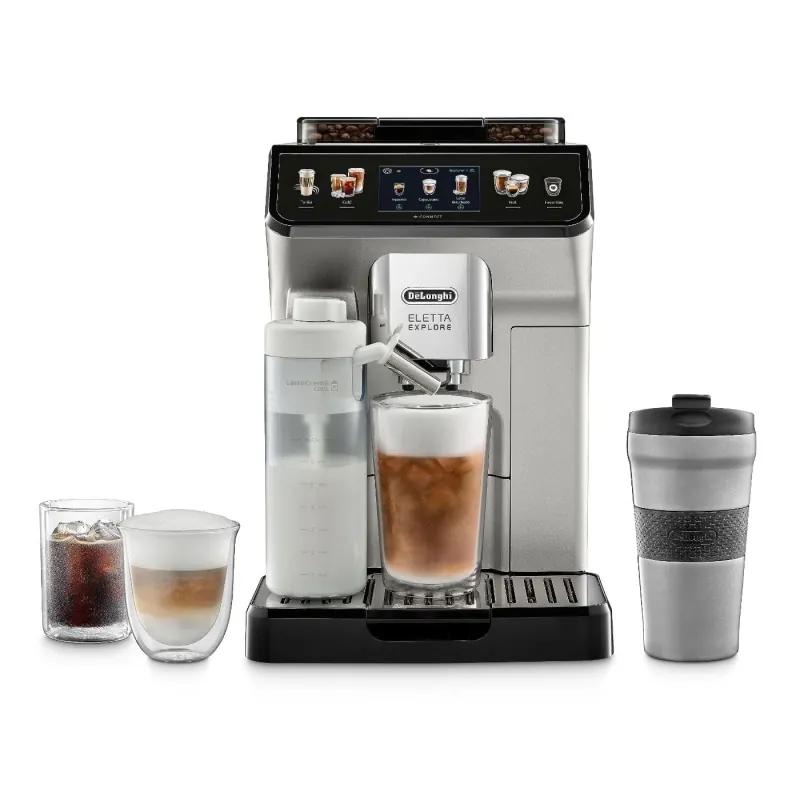
De'Longhi Eletta Explore Cold Brew & Milk Frother

De'Longhi

4.3

De'Longhi Eletta Explore Cold Brew & Milk Frother

Personal Match Score 80%

Price Range

$ $ $
Check Current Price →
De'Longhi Rivelia Black

De'Longhi

4.1

De'Longhi Rivelia Black

Personal Match Score 79%

Price Range

$ $ $
Check Current Price →
Gaggia Cadorna Prestige

Gaggia

4.7

Gaggia Cadorna Prestige

Personal Match Score 79%

Price Range

$ $ $
Check Current Price →
Bosch Fully Automatic Coffee and Espresso Machine - 36 Drinks

Bosch

4.1

Bosch Fully Automatic Coffee and Espresso Machine - 36 Drinks

Personal Match Score 78%

Price Range

$ $ $
Check Current Price →

If you are buying a Super-Automatic Espresso Machine for an office, your goal is to be the hero, not the on-call technician. Your colleagues need a machine that is always ready, simple to operate, and consistently delivers great coffee without a fuss. That's why for the Office Hero preset, we ignore niche drink options and instead laser-focus on the three pillars of a successful workplace machine: Maintenance & Cleaning Ease, Operating Speed & UI, and robust Build & Component Quality. You need a workhorse that can handle back-to-back orders during the morning rush and doesn't require a PhD to rinse the milk frother. A machine with a confusing interface or a tiny drip tray will quickly become a source of frustration.

This is where commercial-grade DNA makes a difference. Top performers like the Jura Z10 feature intuitive touchscreens and automated cleaning cycles that drastically reduce daily upkeep. For larger teams, a powerhouse like the Jura GIGA X8 Professional is built to withstand hundreds of drinks per day, offering larger bean hoppers, massive water tanks, and even direct plumbing options to eliminate the most common bottleneck: refilling. Investing in a machine with high-quality grinders and a durable brew group means less downtime and happier, more caffeinated coworkers.

How We Rank

Our rankings are generated by an AI that analyzes a massive volume of real user reviews and scores each machine against a structured set of features. For super-automatic espresso machines, we place the heaviest weight on Beverage Quality & Consistency and Milk Frothing Automation, as these directly impact your daily drink. The algorithm also heavily considers Maintenance & Cleaning Ease, because a machine that's a pain to own isn't worth the convenience.

Frequently Asked Questions

Beyond drink quality, the single most important specification is the water supply method. For any office with more than 10 daily coffee drinkers, a machine that can be plumbed directly into a water line, like many Jura GIGA and X-line models, is a game-changer. This eliminates the constant, disruptive task of refilling the water tank, which is the number one cause of workflow interruption and machine downtime in a busy environment. It ensures the machine is always ready to go.
It's a trade-off between variety and simplicity. Dual bean hoppers, found on models like the Jura GIGA 10, are excellent for offering both regular and decaf options, catering to more people. However, this adds complexity. You have to manage and refill two separate bean types, and the user interface can be slightly more confusing for casual users. For smaller offices prioritizing speed and foolproof operation, a single, large hopper is often the more practical and reliable choice.
We strongly advise against this, as it's a common and costly mistake. Even a premium home model like the Jura E8 is not engineered for the relentless cycle count of an office. Its water tank, drip tray, and grounds container are too small, requiring constant attention. More importantly, its internal components, like the brew group, are designed for a handful of drinks per day, not dozens. It will wear out prematurely, leading to frequent breakdowns and negating any initial cost savings.
For a first-time owner, the Philips 2300 Series is an excellent starting point. It prioritizes simplicity and reliability over endless customization options that can be overwhelming. You get consistent, one-touch espresso and cappuccinos with a straightforward interface and a milk frothing system that's very easy to clean, making it a low-stress introduction to at-home specialty coffee.
Moving from a sub-$800 machine to a premium model like a De'Longhi Dinamica primarily gets you a more sophisticated milk system and deeper drink customization. Premium machines often feature integrated milk carafes that are easier to clean, offer more control over foam texture, and provide a wider menu of one-touch specialty drinks. You also typically get better build quality with more metal components and a more refined user interface.
No, and that's by design. Super-automatics trade the peak quality of a perfectly dialed-in shot from a semi-automatic machine for incredible speed, convenience, and consistency. While the espresso is good enough for most daily drinkers, especially in milk drinks, it won't have the same body or flavor clarity as one from a skilled barista. You're paying for a consistently good latte at 7 AM with zero effort.
The '15-bar' or '19-bar' pressure rating is mostly a marketing specification and not an indicator of quality. Proper espresso extraction only requires around 9 bars of pressure at the group head. What's far more important is the machine's ability to maintain consistent pressure and stable temperature throughout the brew cycle, which is something better-engineered brew groups in quality machines do well, regardless of the number on the box.
They require consistent, non-negotiable upkeep. 'Automatic' refers to the brewing, not the cleaning. Expect to empty the drip tray and used coffee puck drawer daily. The milk system needs to be rinsed after every use, and the internal brew group should be removed and rinsed with water weekly. You'll also need to perform a full descaling cycle every 1-3 months depending on your water hardness.