✦ Adjust rankings to your needs
Semi-Automatic & Manual Espresso Machines

Best Semi-Automatic & Manual Espresso Machines for The Purist

Compare semi-automatic & manual espresso machines ranked on shot quality and consistency. Find models with superior build quality for the perfect espresso.
Max price: $8,400
⭐ Best Match
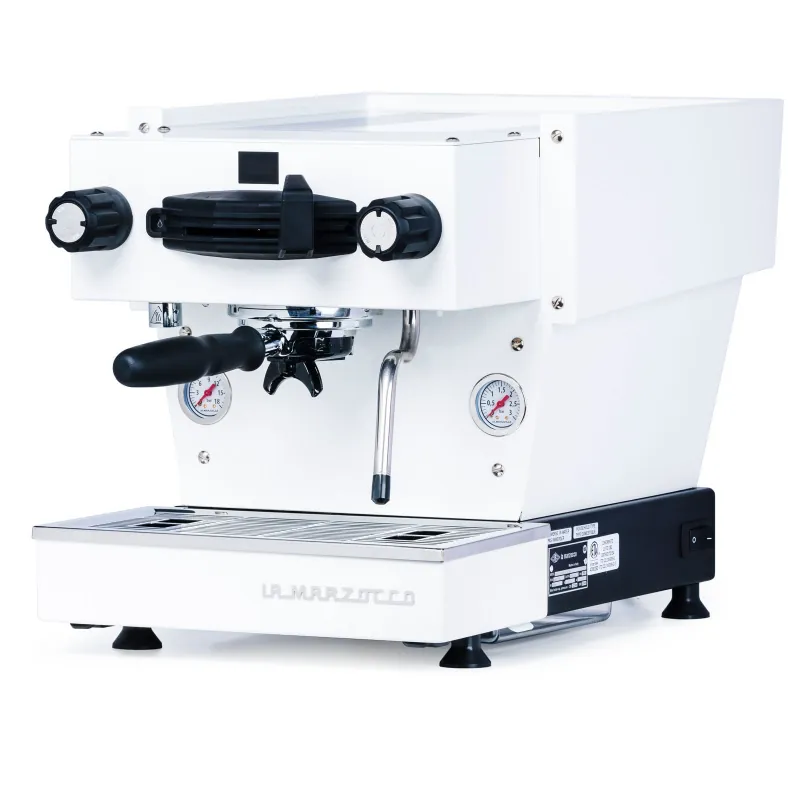
La Marzocco Linea Mini

La Marzocco

★ 4.9

La Marzocco Linea Mini

Personal Match Score 78%

Price Range

$ $ $
Check Current Price →
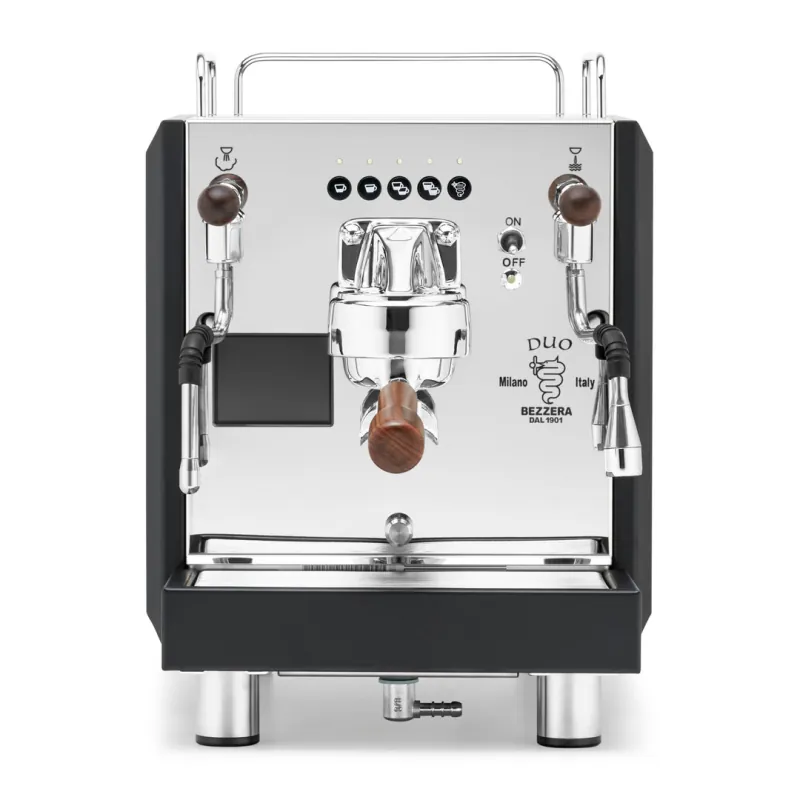
Bezzera DUO DE Espresso Machine

Bezzera

★ 4.8

Bezzera DUO DE Espresso Machine

Personal Match Score 77%

Price Range

$ $ $
Check Current Price →
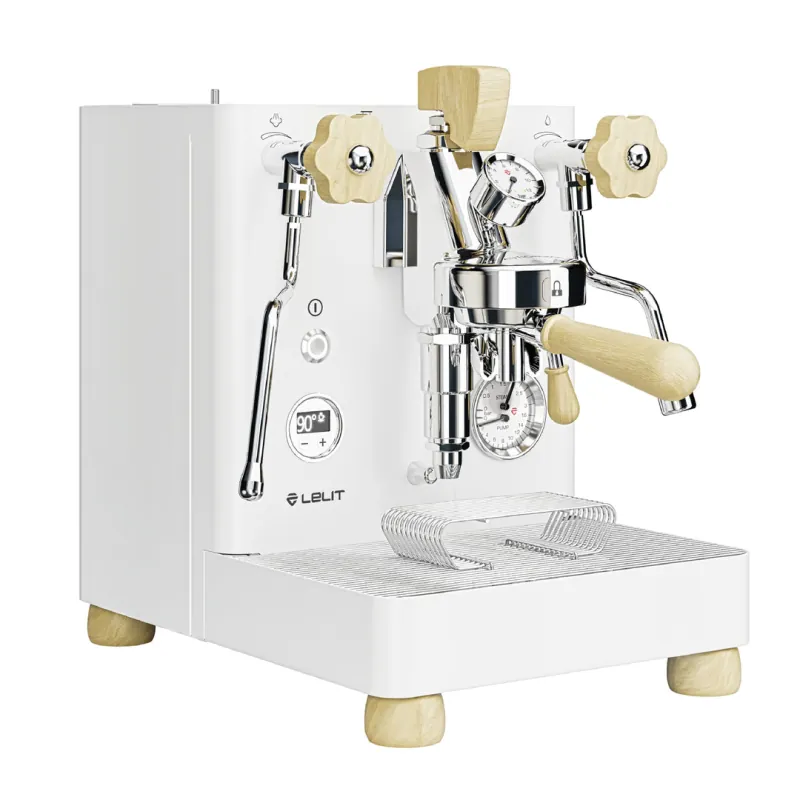
Lelit Bianca V3 Espresso Machine

Lelit

★ 5.0

Lelit Bianca V3 Espresso Machine

Personal Match Score 76%

Price Range

$ $ $
Check Current Price →
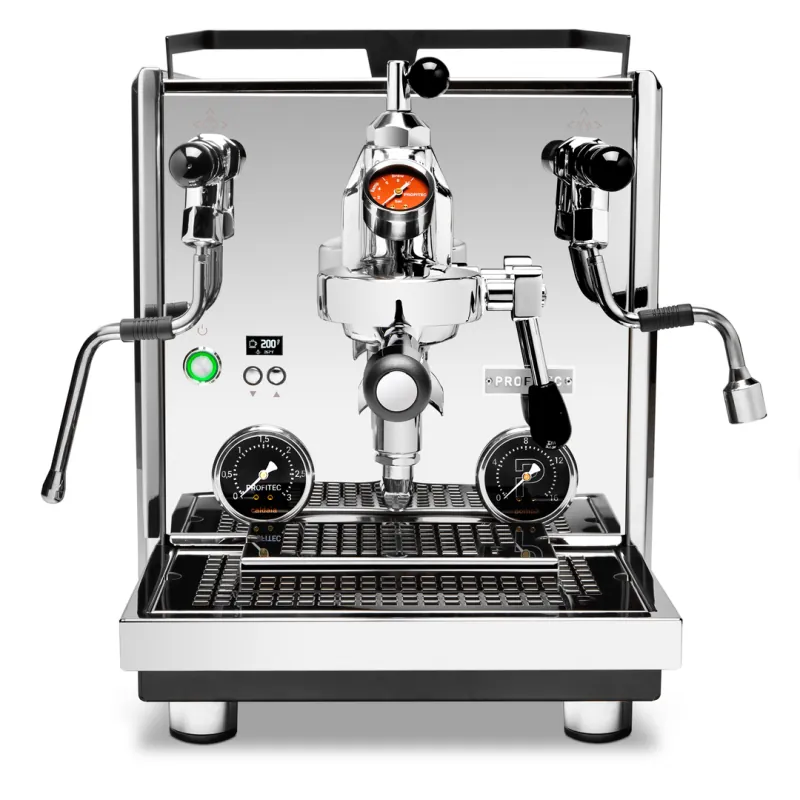
Profitec Drive Espresso Machine

Profitec

★ 4.7

Profitec Drive Espresso Machine

Personal Match Score 76%

Price Range

$ $ $
Check Current Price →
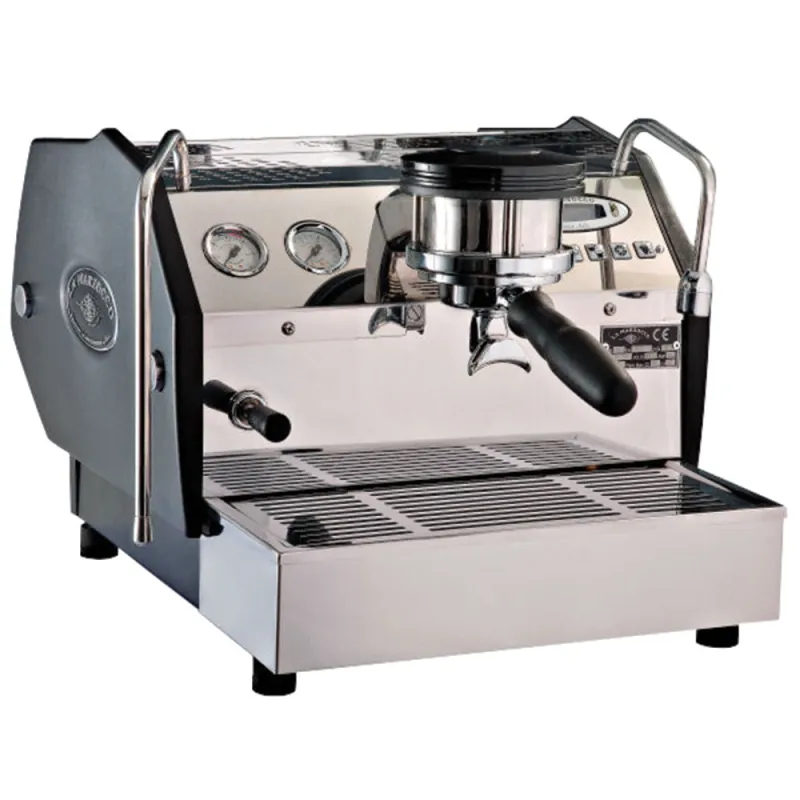
La Marzocco GS/3 Auto

La Marzocco

★ 5.0

La Marzocco GS/3 Auto

Personal Match Score 76%

Price Range

$ $ $
Check Current Price →
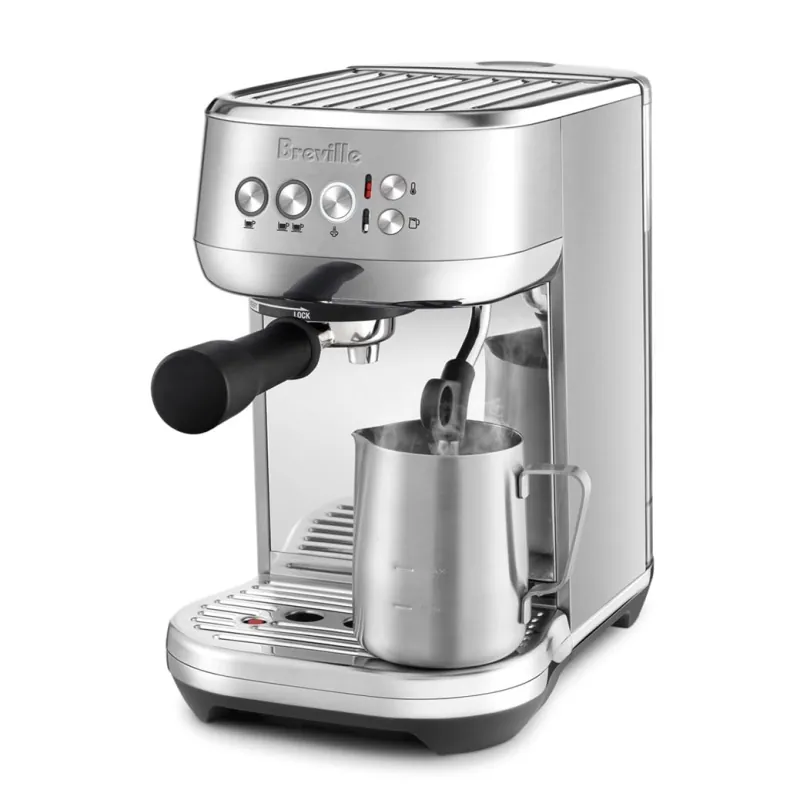
Breville Bambino Plus BES500BSS Brushed Stainless Steel

Breville

★ 4.1

Breville Bambino Plus BES500BSS Brushed Stainless Steel

Personal Match Score 75%

Price Range

$ $ $
Check Current Price →

If you are buying a Semi-Automatic or Manual Espresso Machine for The Purist, you're not just making coffee; you're pursuing a craft. You see the machine as a precision instrument, not an appliance. Your focus is on the unadulterated quality of the espresso in the cup, which means your priority features are **Espresso Quality & Consistency**, **Build Quality & Materials**, and an intuitive **Workflow & Ergonomics**. You want a machine with unwavering thermal stability, commercial-grade components, and a tactile feel that connects you directly to the extraction process. This is why machines like the La Marzocco Linea Mini consistently top the list; they are built like commercial workhorses, delivering rock-solid temperature and pressure with no unnecessary frills.

For you, features like automatic milk frothing or pre-programmed drinks are distractions. Instead, you value heavy-duty stainless steel construction, saturated group heads or large dual boilers for thermal mass, and a simple, repeatable workflow that allows your skill—not the machine's software—to be the deciding factor in every shot. You're investing in a final piece of equipment that will last decades and reward your dedication with exceptional espresso.

How We Rank

Our rankings are generated by an AI that analyzes thousands of real user reviews and scores each machine against a structured set of features. For Semi-Automatic & Manual Espresso Machines, we place the most weight on Espresso Quality & Consistency and Steam Wand Performance, as these are the core indicators of a machine's ability to produce café-quality drinks. This data-driven approach ensures our recommendations are based on proven performance, not just marketing hype.

Frequently Asked Questions

For the purist, both are critical for achieving ultimate consistency. A PID controller provides precise, stable brew temperatures shot after shot, which is non-negotiable for repeatable results. However, the boiler type—specifically a dual boiler or a saturated group head like on the La Marzocco Linea Mini—ensures that this thermal stability extends all the way to the coffee puck. A dual boiler offers dedicated power for brewing and steaming, preventing temperature drops and ensuring your workflow is never compromised by a lack of thermal mass.
A manual flow control paddle, found on machines like the Lelit Bianca V3 and Profitec Drive, offers granular control over pre-infusion and extraction profiles. For a purist who loves to experiment with light roasts and fine-tune every variable, it's an invaluable tool. However, it introduces another variable to manage, which can detract from shot-to-shot consistency if not used deliberately. If your goal is perfecting a single, repeatable shot, the rock-solid stability of a machine without flow control, like the Linea Mini, might be preferable.
Not necessarily. Volumetric controls, which dispense a programmed water volume, are excellent for consistency in a commercial setting but can be a crutch for the home purist. True purists often prefer manual or semi-automatic paddles, using a scale to measure beverage weight for ultimate precision. This "brewing by weight" method is more accurate than volumetrics because it accounts for changes in grind size and puck density. For the purist, the tactile control and direct feedback of a manual paddle often outweigh the convenience of automation.
The Breville Barista Express is a popular starting point because its integrated grinder and pressure gauge simplify the learning process. While a separate grinder offers better long-term quality, the all-in-one design provides everything you need to learn tamping, dosing, and shot timing without a massive initial investment.
Yes, if you value temperature stability and workflow. Sub-$1000 machines often use thermoblocks which heat up fast but can have temperature swings. Premium machines use heavy brass boilers that hold a stable temperature for more consistent shots and often allow you to pull espresso and steam milk at the same time, a huge time-saver.
No, this is mostly marketing. While the pump may be capable of 15 bars, ideal espresso extraction occurs at around 9 bars of pressure. Quality machines regulate the pressure down to this optimal level, whereas many budget machines use high pressure to force water through a pressurized filter basket, creating a foamy, fake crema rather than a true espresso.
An integrated grinder, like on the Breville Barista Express, is convenient and saves counter space, making it great for beginners. However, a separate, dedicated espresso grinder will offer superior grind consistency and more adjustment steps. This gives you far more control to dial in your shots perfectly, which is critical for getting the best flavor from your beans.
If you only drink espresso, you can ignore Steam Wand Performance and focus entirely on features that improve the shot. Look for a machine with a PID temperature controller for rock-solid temperature stability. A non-pressurized, 58mm portafilter is also ideal, as it's the commercial standard and gives you access to a wide range of high-quality tampers and baskets.