✦ Adjust rankings to your needs
Cold Brew Makers

Best Cold Brew Makers for Techie

Discover the fastest electric cold brew makers on the market. Our rankings prioritize brewing speed and innovative technology for a quick, quality batch.
Max price: $295
⭐ Best Match
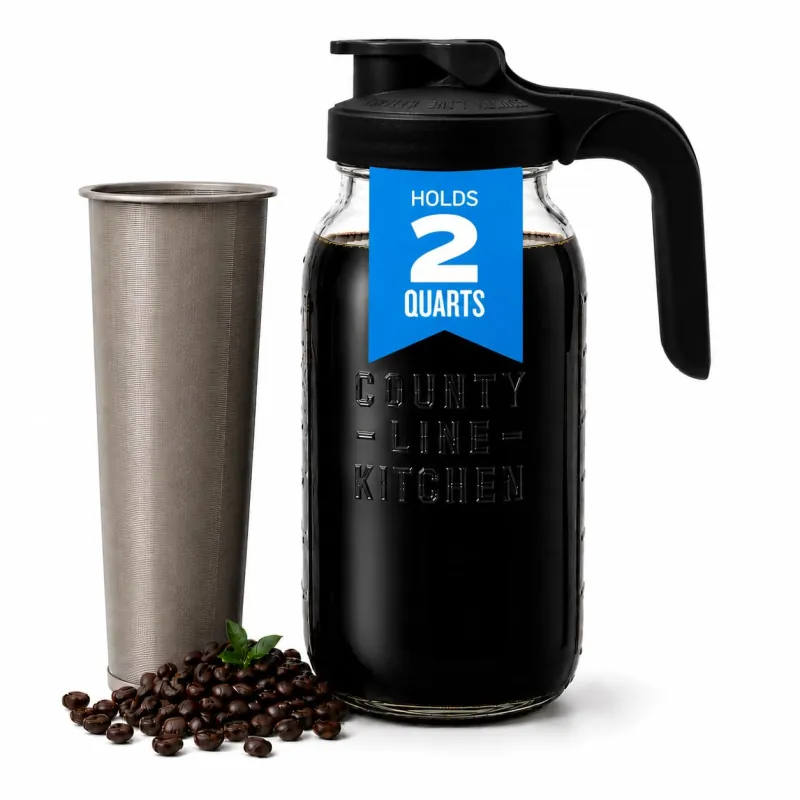
County Line Kitchen 64oz Cold Brew Maker

County Line Kitchen

4.8

County Line Kitchen 64oz Cold Brew Maker

Personal Match Score 80%

Price Range

$ $ $
Check Current Price →
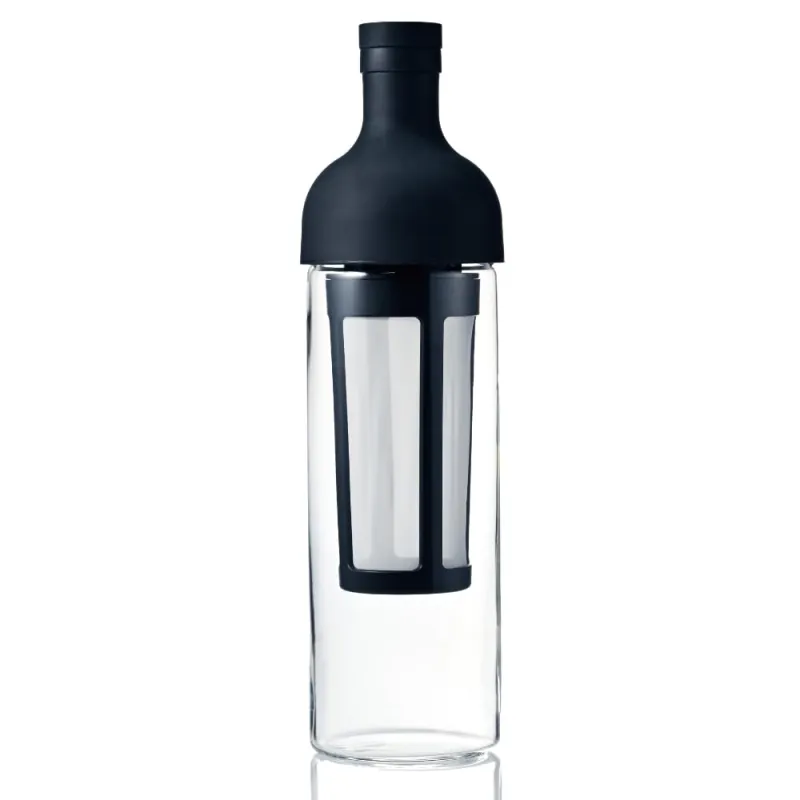
Hario Cold Brew Wine Bottle

Hario

4.7

Hario Cold Brew Wine Bottle

Personal Match Score 77%

Price Range

$ $ $
Check Current Price →
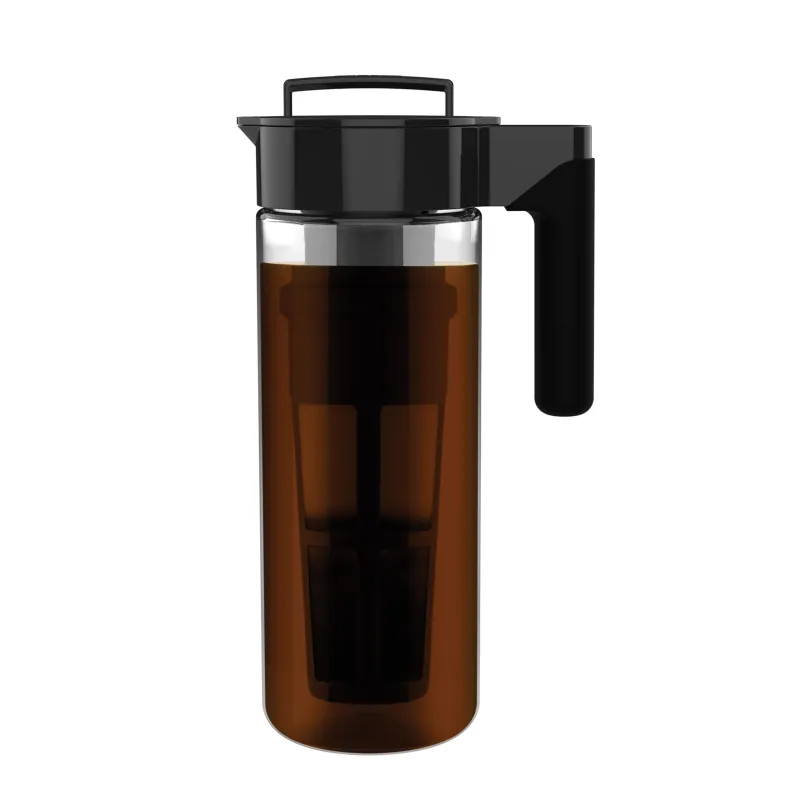
Takeya Glass Cold Brew Maker 2 Qt

Takeya

4.6

Takeya Glass Cold Brew Maker 2 Qt

Personal Match Score 76%

Price Range

$ $ $
Check Current Price →
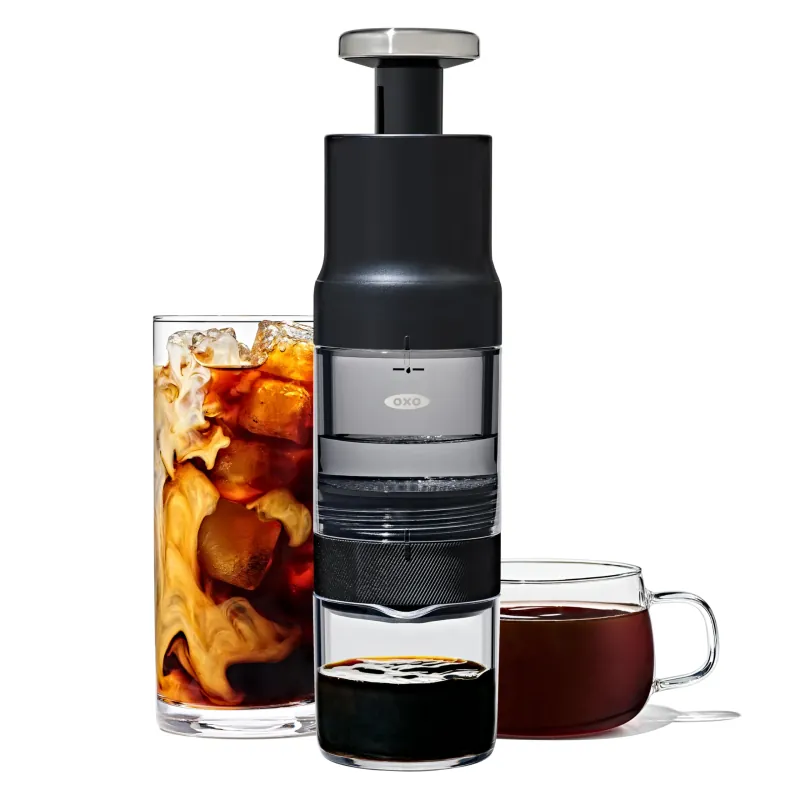
OXO Brew Rapid Brewer

OXO

4.5

OXO Brew Rapid Brewer

Personal Match Score 75%

Price Range

$ $ $
Check Current Price →
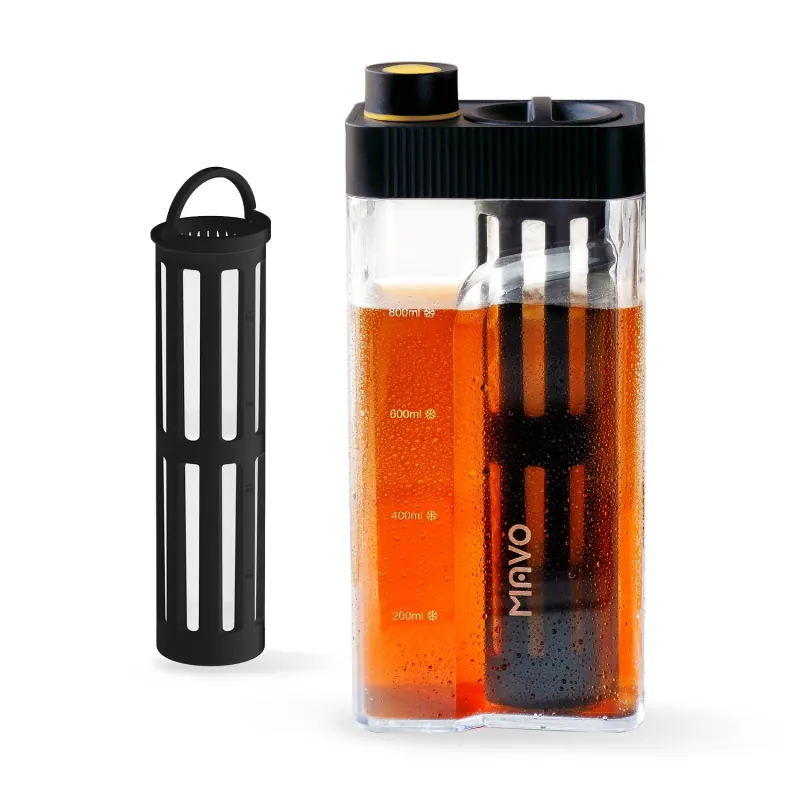
Mavo Cold Brew Coffee Maker 27oz

MAVO

4.6

Mavo Cold Brew Coffee Maker 27oz

Personal Match Score 74%

Price Range

$ $ $
Check Current Price →
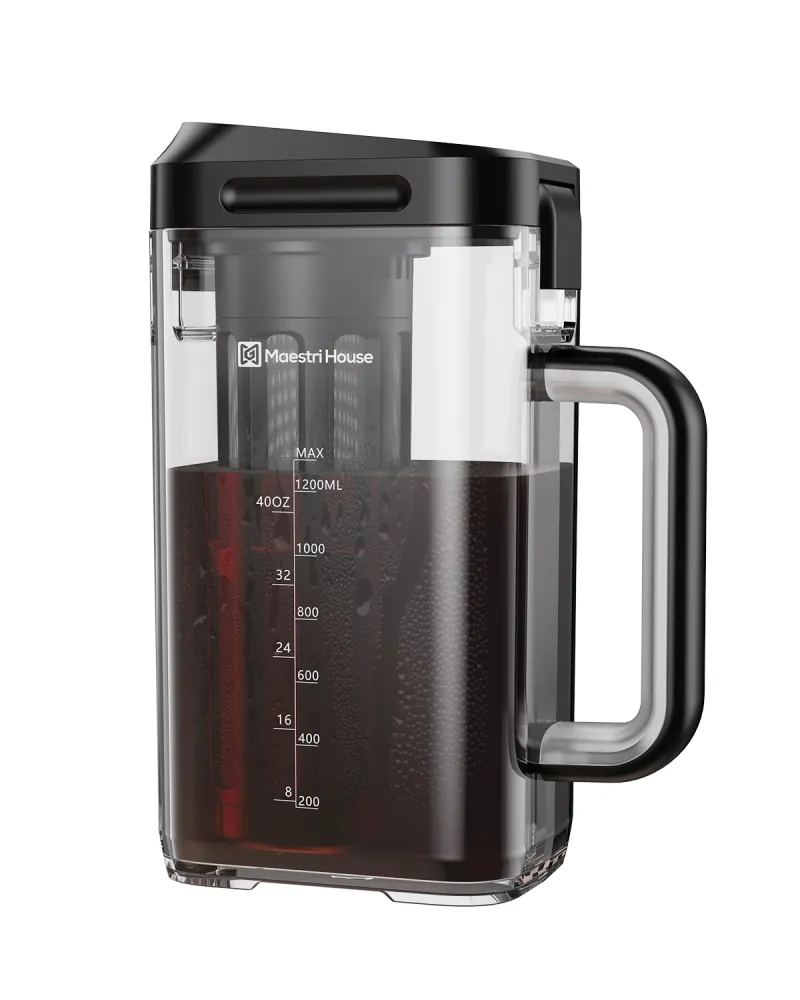
Maestri House 40oz Cold Brew Maker

Maestri House

4.4

Maestri House 40oz Cold Brew Maker

Personal Match Score 73%

Price Range

$ $ $
Check Current Price →

If you are buying a Cold Brew Maker as a techie, you're not looking for a simple glass jar and a filter; you're seeking an engineered solution that optimizes a traditionally slow process. For you, the most important factors are Brewing Speed, Material Durability, and the final Brew Concentrate Quality. You want your cold brew in minutes, not hours, without sacrificing the smooth, low-acid flavor profile that makes it great. This is where accelerated brewing technology becomes critical. Machines like the Ninja DualBrew GP161 and the Vinci Express use innovative methods like rapid circulation or vacuum infusion to extract coffee solubles in as little as 15-25 minutes, a massive leap from the standard 12-24 hour steep.

These systems are for users who appreciate precision and repeatability. You want a device built to last, which is why Material Durability is key. Look for stainless steel components, high-grade BPA-free plastics, and sturdy carafes that can withstand daily use and cleaning. Ultimately, the goal is a superior Brew Concentrate Quality—a rich, balanced, and never-bitter brew on demand. These tech-forward models deliver that by controlling variables like water agitation and saturation, giving you a consistent, high-quality result every time.

How We Rank

Our rankings are generated by an AI that analyzes a massive volume of real-world user reviews from Amazon and applies a structured scoring algorithm. For cold brew makers, we place the most weight on Brew Concentrate Quality and Filtration Clarity, as these directly impact the taste of your final cup. We also heavily factor in Cleanup & Maintenance Ease, because a great brewer you never use is a useless one.

Frequently Asked Questions

These are accelerated brewing technologies designed to drastically cut down steep times. Spin-brew, used by models like the Vinci Express, rapidly spins the coffee grounds in water to increase surface area contact and speed up extraction. Other systems use vacuum or pressure changes to force water through the grounds. Both methods aim to replicate the flavor profile of a 24-hour steep in under 30 minutes, offering on-demand cold brew for users who value speed and efficiency.
For most drinkers, the quality is remarkably close. Rapid brewers excel at creating a smooth, low-acid concentrate quickly. However, some purists argue that the slow, 24-hour steeping process extracts a more complex and nuanced flavor profile that accelerated methods can't fully replicate. The trade-off is clear: you sacrifice a small degree of potential flavor depth for the massive convenience of on-demand cold brew. For daily drinking, the difference is often negligible.
In rapid brewers, a stainless steel mesh filter is critical for both durability and flavor purity. The brewing process often involves active agitation or spinning, which can easily damage paper or cloth filters. A fine-mesh stainless steel filter withstands this stress without tearing. It also won't absorb coffee oils or impart any papery taste, ensuring the final brew concentrate quality is clean, consistent, and true to the bean's profile, which is essential for a repeatable, tech-driven process.
For first-timers, the Takeya Deluxe Cold Brew Maker is our top recommendation. Its durable plastic pitcher is forgiving, the fine-mesh filter is effective and easy to clean, and the all-in-one design is incredibly straightforward. You get a consistently good, low-sediment brew without the fragility of glass models like the Ovalware or the complexity of multi-function machines.
Yes, if you value flavor clarity and build quality. Budget models like the Ovalware often use thinner glass and less effective filters, resulting in more sediment in your concentrate. Premium brewers typically feature ultra-fine stainless steel or even paper filters for a cleaner cup, more durable materials, and better-sealing lids that prevent refrigerator odors from affecting your coffee.
No, you cannot. Machines like the Ninja Hot & Iced Coffee Maker use a "Rapid Cold Brew" or "Over Ice" setting, which is essentially hot coffee brewed at a higher concentration directly onto ice. This flash-chilling process creates iced coffee, which is distinct from true cold brew's smooth, low-acid profile achieved through 12-24 hours of cold water immersion.
Not necessarily. While glass, used in models like the Ovalware, is non-reactive and won't stain or retain odors, it's also fragile and often heavier. High-quality, BPA-free plastic like that used in the Takeya is shatterproof, lightweight, and perfectly suitable for cold brewing. The quality of the filter and the seal of the lid have a much greater impact on your final brew than the pitcher material itself.
We recommend making a concentrate. Brewing with a higher coffee-to-water ratio (e.g., 1:4 or 1:8) creates a potent concentrate that takes up less space in your fridge. You can then dilute it with water, milk, or ice to your desired strength for each serving. This method is more versatile and space-efficient than brewing a large, ready-to-drink batch.